Casting Call on Mount Olympus: Which Gods Actually Earn Their Keep on the Reels
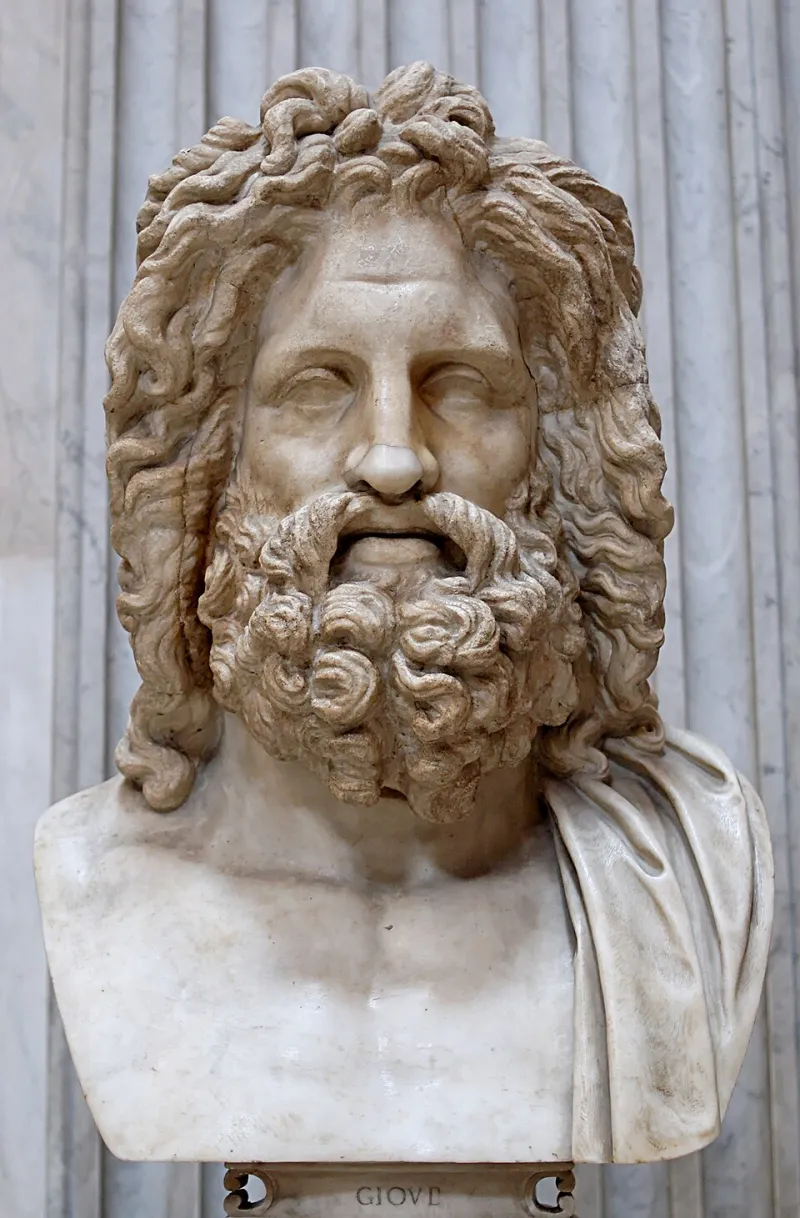
Photo: Unknown artistUnknown artist, Public domain, via Wikimedia Commons
Ever notice how Zeus is almost always the big money symbol? It's not an accident. Slot studios follow a quiet set of casting rules when they build mythology games, and once you learn to read them, you'll never look at a paytable the same way again.
The Divine Casting Couch
When a studio greenlights a Greek mythology slot, the first thing that happens isn't the math model — it's the cast list. The headliner god gets the top-paying symbol spot, and everyone else gets slotted in based on their pop culture clout. Zeus, being the boss of the pantheon, almost always takes the crown. Poseidon usually lands second, Hades third, and then you get the supporting cast: Athena, Aphrodite, Hermes, and a parade of minor deities filling out the mid-tier payouts.
It's basically Hollywood accounting. A-list gods get A-list salaries (payouts), and the gods nobody can name get background actor money. The next time you open a mythology slot, check the paytable. Nine times out of ten, the symbol order mirrors the god's fame, not their mythological importance.
Same God, Different Paycheck
Here's where it gets interesting for US players: the same deity can pay wildly different amounts depending on who's rendering them.
Take Zeus. In one studio's game, he's a wild symbol that expands across the reels and triggers a respin frenzy. In another, he's just a static high-pay icon worth 25x your line bet for five of a kind. Same god, same beard, same lightning bolts — completely different value. Some studios give their Zeus a personality and a job to do; others just rent his likeness and call it a day.
Poseidon is another great example. In some games he's the scatter that unlocks the free spins feature, which technically makes him the most important symbol on the board even if his base payouts look modest. In others, he's demoted to a mid-tier symbol while some lesser-known god takes the spotlight. The lesson? Never assume a god's role based on mythology. Read the paytable like a casting sheet.
The Symbol Hierarchy Nobody Explains
Most slots follow an unwritten four-tier system:
- Tier one — the headliner: The face of the game. Highest base payouts, usually tied to the jackpot or the biggest feature. This is almost always Zeus in Greek-themed titles.
- Tier two — the feature gods: Scatters and wilds. Their base payouts are often lower, but they're your ticket to the bonus rounds where the real money lives.
- Tier three — the supporting pantheon: Mid-value gods and mythological objects (harps, helmets, tridents). These keep the hit frequency feeling healthy.
- Tier four — the filler: Card royals dressed up with laurel wreaths. They show up constantly and pay basically nothing.
Understanding this hierarchy changes how you evaluate a game. A slot where the headliner also drives the bonus feature is usually more volatile but more rewarding. A game where the top symbol is just a pretty face with no functional role? That's often a sign the math model leans on steady small wins rather than big spikes.
Which Divine Castes Pay Best
So who's actually worth your bankroll? Based on how the market has shaken out, the top-tier headliner gods deliver the biggest single-hit potential, but the feature-tier symbols — scatters and wilds — generate the majority of meaningful wins over a session. If a game's Zeus is both the top payer AND the wild, you've got a symbol pulling double duty, and those games tend to produce the highlight-reel moments players chase.
Minor deities, meanwhile, are mostly window dressing. They exist to make the paytable look rich and to land often enough that you don't feel like the reels are dead. Respect them, but don't chase them.
Read the Credits Before You Roll
The next time a lightning-themed slot catches your eye, do a thirty-second audit: Who's the top symbol? Does the headliner have an active role (wild, multiplier, expanding feature)? How much of the paytable is filler? Games where the gods actually do something — rather than just posing — tend to offer the best mix of entertainment and payout potential.
The pantheon has been casting slots for over a decade now, and the conventions are baked in. Learn the roles, and you'll spot the divine ambassadors worth following from the pretenders in a single glance at the paytable.